Scouting 101
An overview of Cub Scouting.
A primer for new families on how Cub Scouting works, what a year looks like, and how the pieces fit together, from your first den meeting to the Arrow of Light.
What Cub Scouting is
Since 1930, Scouting America (formerly the Boy Scouts of America) has helped younger children through Cub Scouting, and since 2018, that's included girls too. Pack 162 welcomes every member of the family as an official part of the pack.
Cub Scouting is a year-round family program designed for children in kindergarten through fifth grade (roughly ages 6–10). Parents, leaders, and the chartered organization work together to make the program run. It's the largest of Scouting America's three membership divisions, alongside Scouts BSA and Venturing.
As a parent, you want your child to grow up self-reliant, dependable, and caring. Cub Scouting keeps those outcomes in mind by weaving lifetime values into fun, age-appropriate activities, and it gives parents the structure to help build character, citizenship, and personal fitness in their kids.
Cub Scouting is fun. But it's fun with a purpose. Woven through all the activities is an inspiring program built on proven methods for child development, taught in the context of friendship and family togetherness.
How the pack is organized
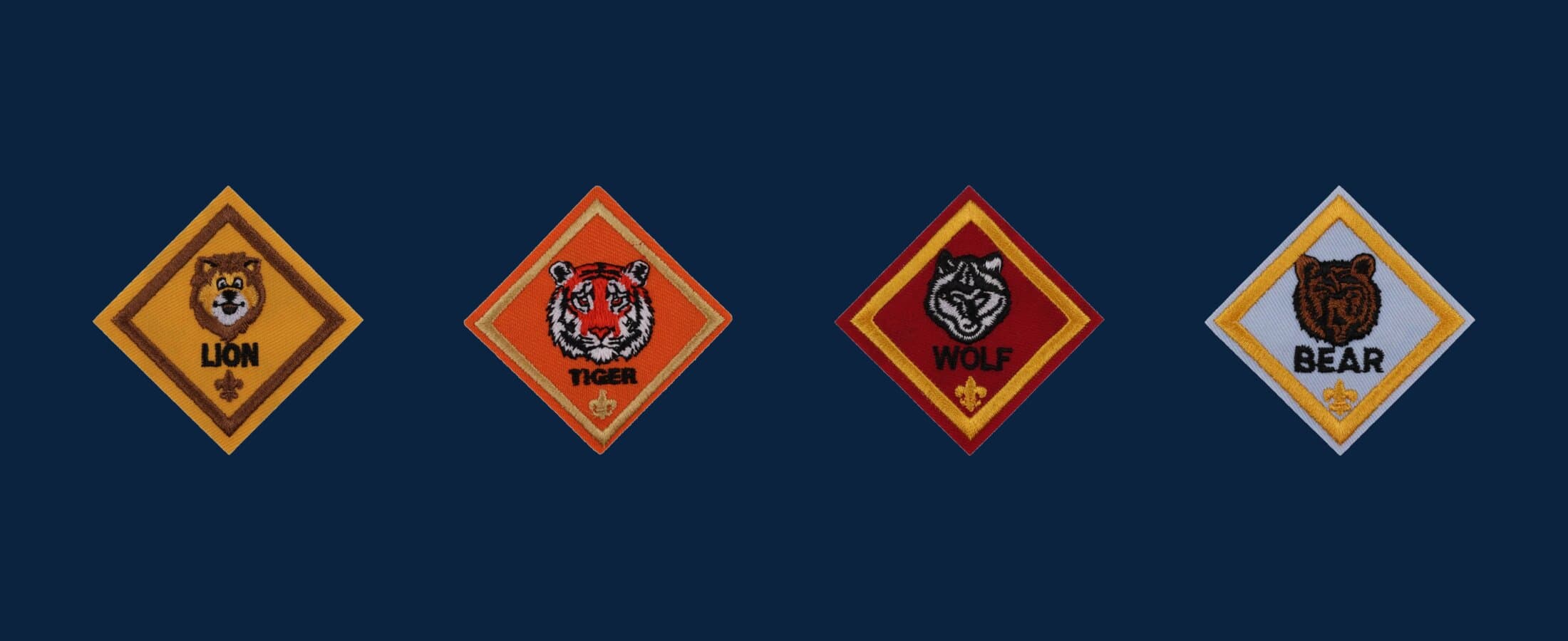
Members of Cub Scouting join a pack and are assigned to a den: usually a neighborhood group of six to eight children in the same grade. Each grade has its own rank:
- Lions: kindergartners
- Tigers: 1st graders
- Wolves: 2nd graders
- Bears: 3rd graders
- Webelos: 4th graders
- Arrow of Light: 5th graders
Our Dens lists Pack 162's dens for the current year, which grade each one serves, and who leads it.
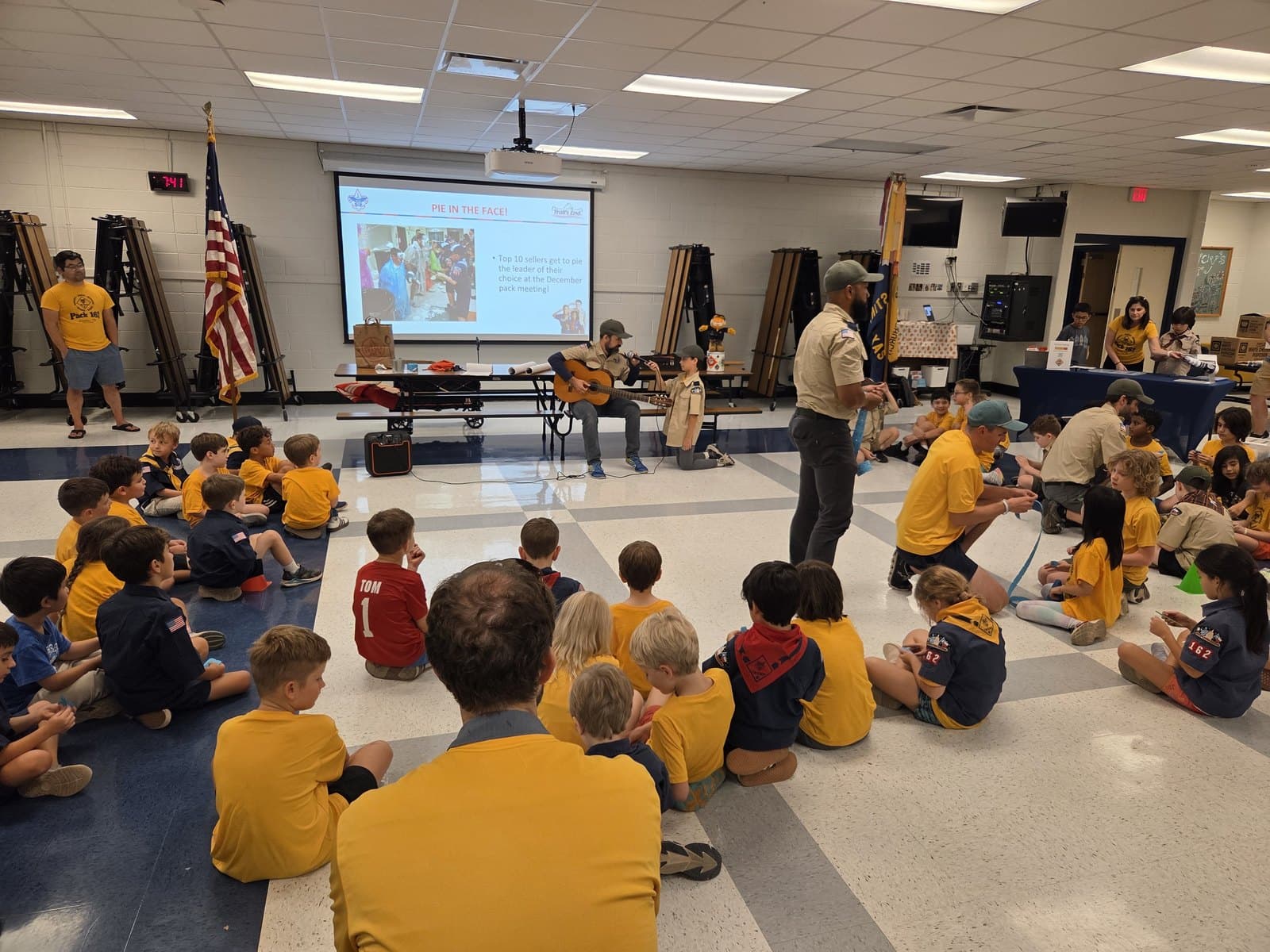
Dens meet once or twice a month. Then, on or about the first Thursday of each month during the school year, the whole pack gathers under the direction of the Cubmaster. Pack meetings help the scouts feel like a unit, reinforce the program, share announcements, and end with a fun activity.
Volunteer leadership
The pack and its dens rely entirely on parents like you to step up as leaders. As every volunteer leader soon discovers, the personal rewards are immeasurable, and the pride your child takes in you is tremendous.
Thousands of volunteers run Cub Scout programs across the country. They serve in every kind of role: Cubmaster, committee chair, committee member, den leader, and in countless small ways that keep a pack functioning. (Sometimes the most important job at a Saturday activity is bringing the donuts.)
Who pays for it?
Cub Scouting is supported by the children and their families, the pack, the chartered organization, and the community. Scouts are encouraged to help pay their own way through approved money-earning projects, the most prominent being the annual popcorn sale.
The community supports Cub Scouting through the United Way, Friends of Scouting, bequests, and contributions to the BSA local council. That broader support funds leadership training, outdoor programs, council service centers, and the professional staff that keeps it all running.
The advancement plan
Recognition matters to young children. The Cub Scout advancement plan gives kids a sense of personal achievement as they earn adventure loops (Tigers, Wolves, Bears) and adventure pins (Webelos and Arrows of Light), and it gives families a way to work on advancement projects together.
Bobcat
Bobcat is the first rank every Cub Scout earns, whatever age they join at, and it has to be completed before a scout can move on to Lion, Tiger, Wolf, Bear, Webelos, or Arrow of Light. The requirements are learning the Scout Oath and the Scout Law, the Cub Scout sign, salute, handshake and motto and what each one means, and working through a short child-safety exercise with a parent or guardian.
Your den leader will get your scout started on it right away. Pack 162 welcomes its new scouts with a Bobcat ceremony at the fall campout.
Lion
The Lion program is for kindergartners and serves as an introductory version of Cub Scouts. Lions have fewer requirements and fewer den meetings, but they participate in pack meetings and outings right alongside the older scouts.
Tiger, Wolf, Bear, and Webelos
These ranks are for 1st, 2nd, 3rd, and 4th graders respectively. The children work throughout the year to earn a set number of adventure loops (Tigers, Wolves, Bears) or adventure pins (Webelos) to officially earn their rank. We call them by their rank starting in the fall, even though they won't formally earn it until the spring. Participating in every activity isn't required. We're happy with any participation by your child, but the vast majority of scouts do earn the rank, since the requirements are easily met across seven or so den meetings.
Arrow of Light
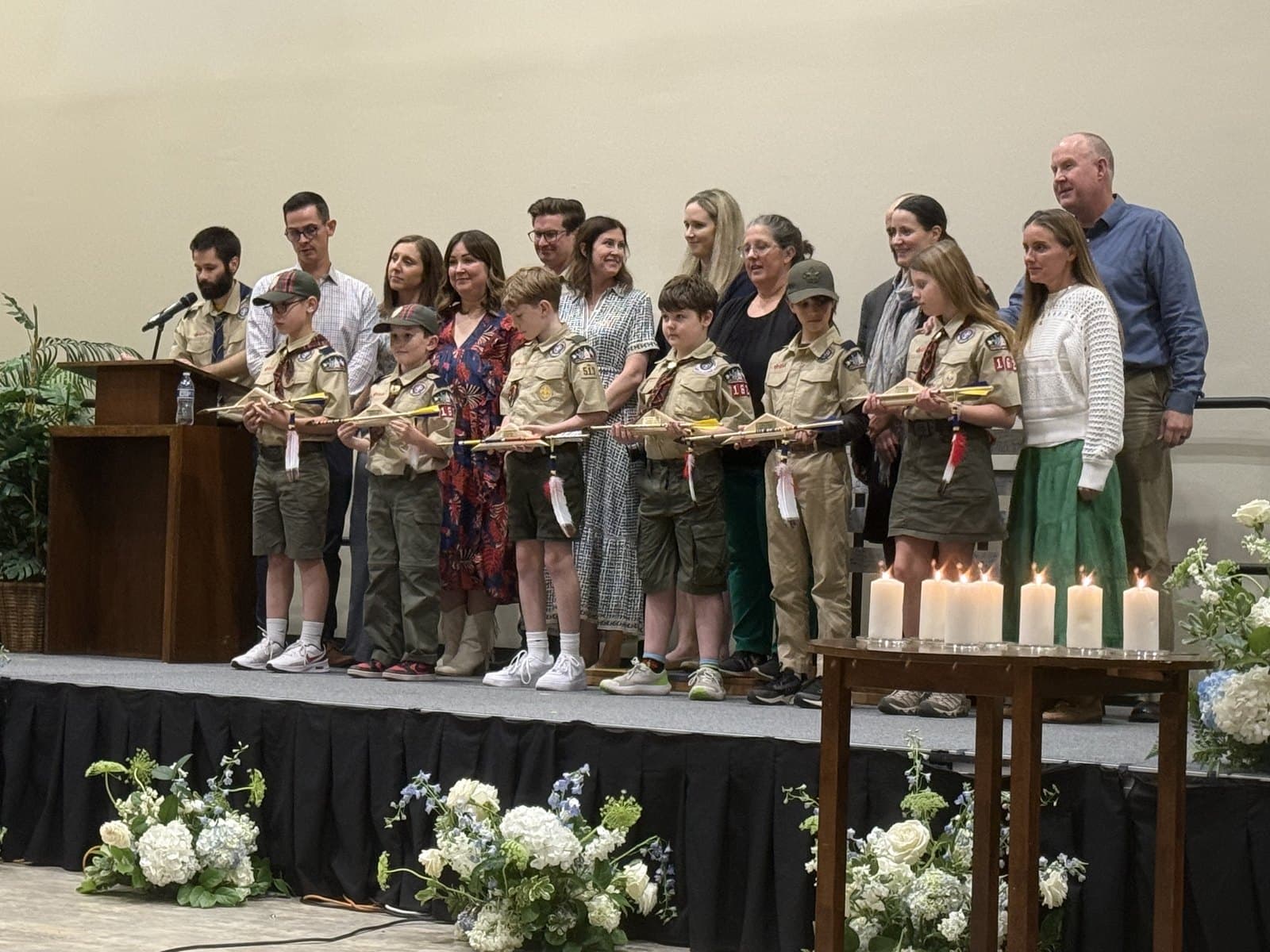
The Arrow of Light is the highest award in Cub Scouting and one of only two Cub Scout badges that may be worn on the Scouts BSA uniform for those who continue past Cub Scouting. Arrows of Light earn adventure pins but fewer of them. The emphasis at this stage is learning what Scouts BSA is like and even practicing for it on their own rank-specific campout.
Activities
Cub Scouting means doing. Everything in the program is designed to keep kids actively engaged. The activities themselves are how Scouting achieves its three aims: citizenship training, character development, and personal fitness.
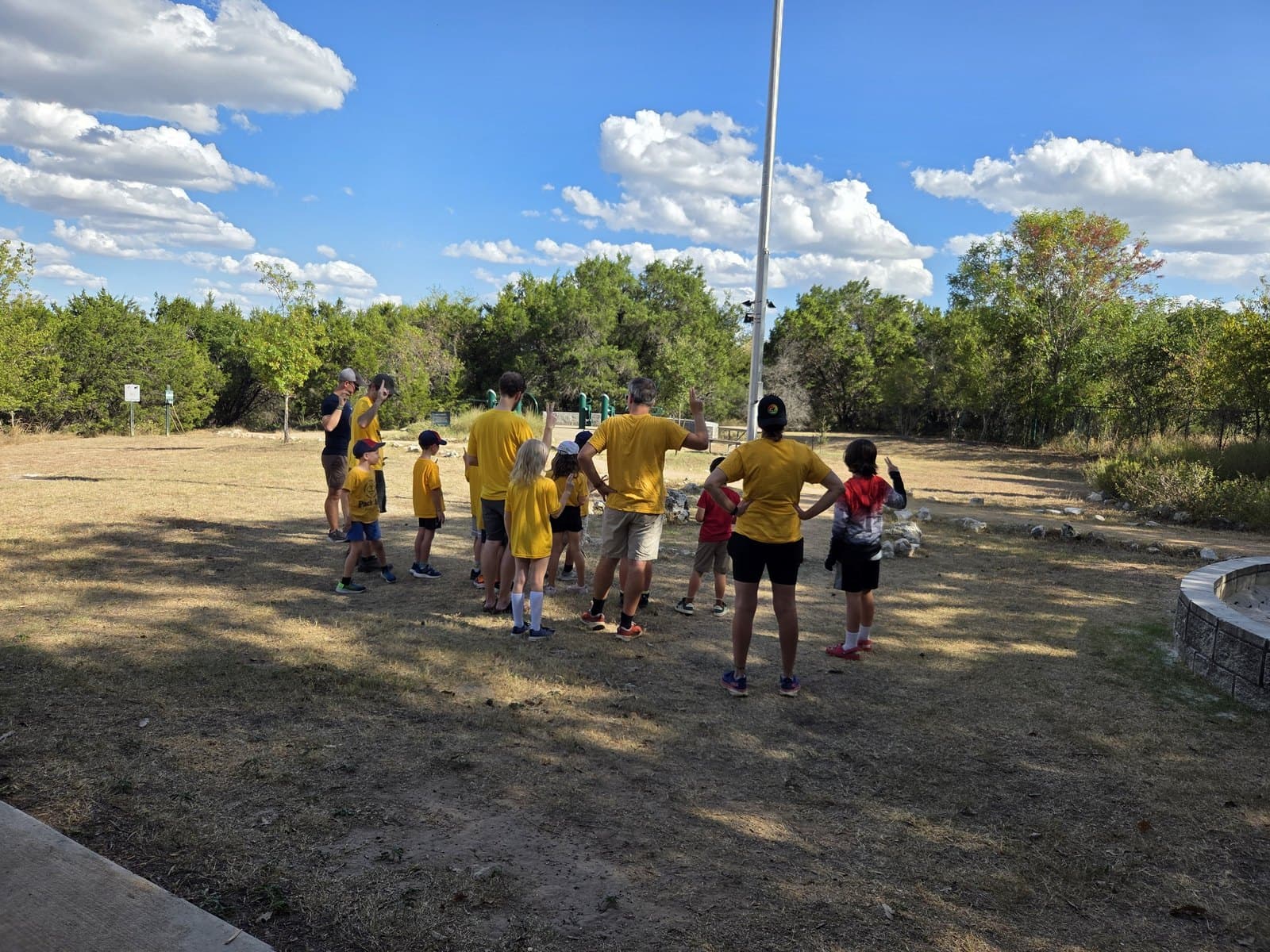
Most of what happens in Pack 162 takes place in the dens and at monthly pack meetings throughout the school year. Beyond that, the highlights of the year include campouts, the Pinewood Derby, the popcorn fundraiser, and a handful of service projects and neighborhood traditions.
Each of those gets its own page on this site, with photos and the specifics for the current year.
Ready to sign up?
Start a Pack 162 youth application. It goes straight to our pack's own page, so there's no unit to hunt for. There are six more short steps after it, and How to Join walks through all seven, with what each one costs.
If you'd rather talk to someone about Pack 162 first, head to the Contact page and we'll get back to you.